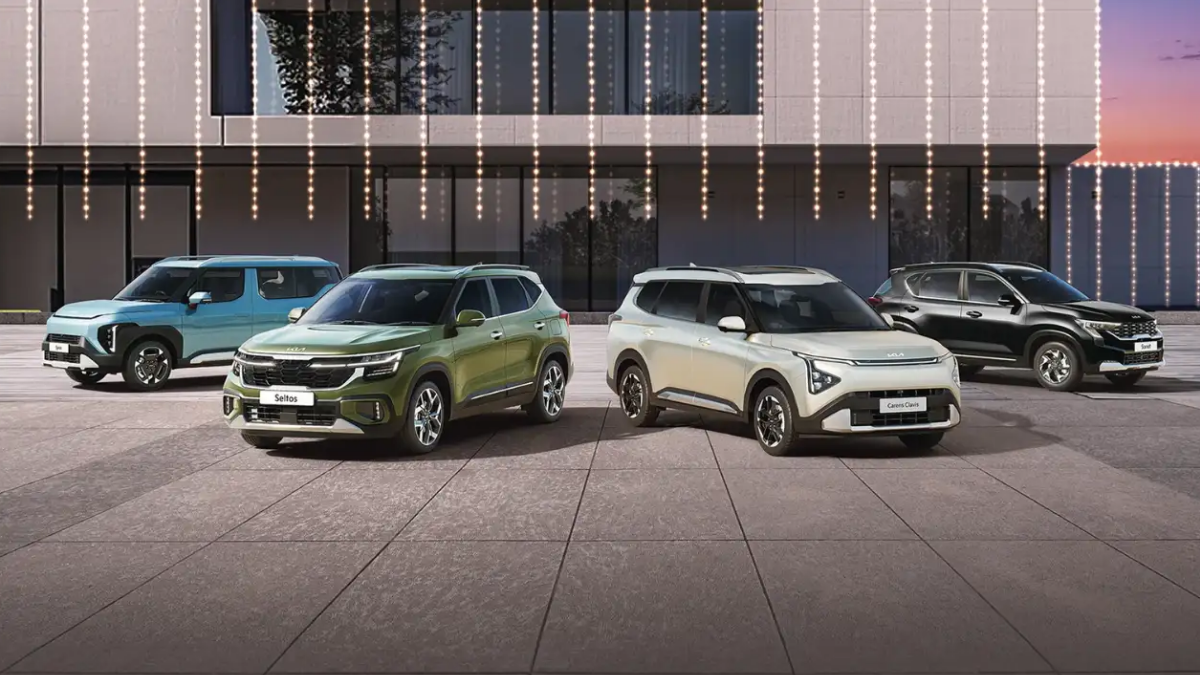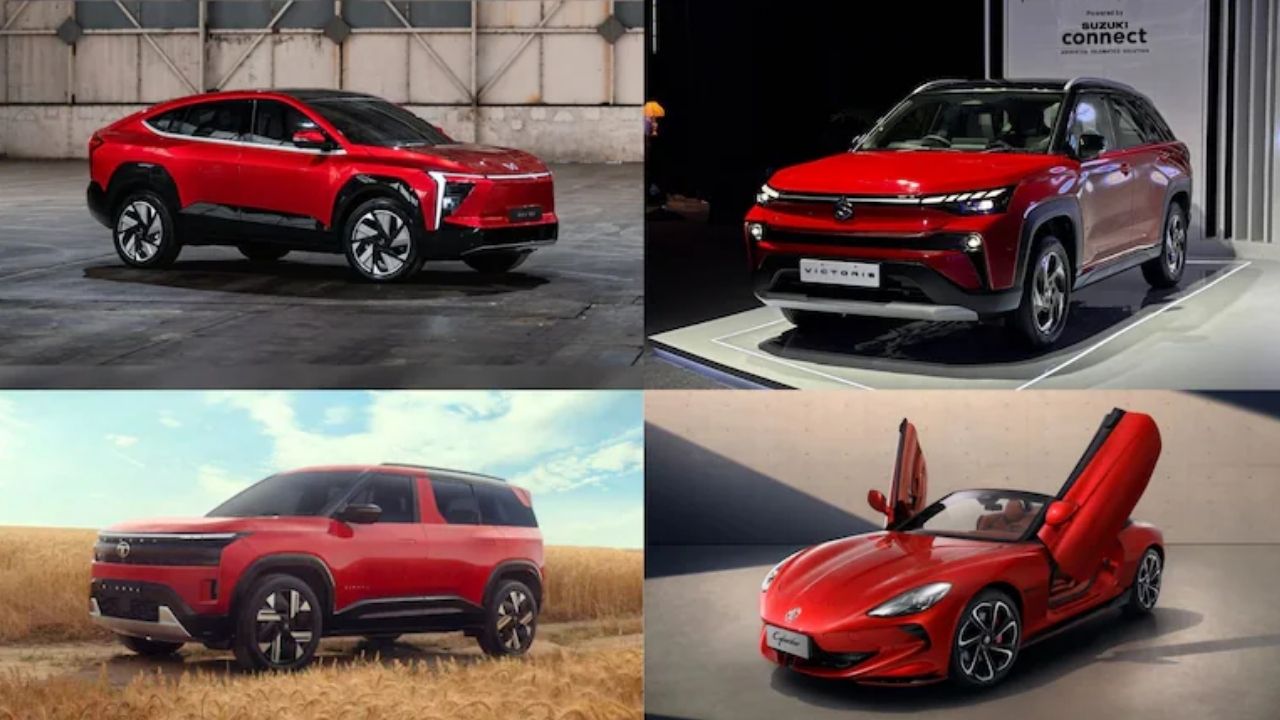
The Indian automotive industry experienced a transformative year in 2025. Carmakers focused on innovation, technology, and diversification as customer expectations continued to evolve. From cutting edge electric vehicles to the revival of iconic nameplates, the year delivered several launches that shaped market trends and consumer conversations.
Manufacturers such as Mahindra, Tata Motors, Hyundai Motor India, Maruti Suzuki, and MG Motor India played a central role in this shift. While many vehicles were introduced during the year, a select few stood out for their relevance, ambition, and potential long term impact.
Here is a detailed look at five car launches from 2025 that made a significant impression on the Indian market.
Quick Summary Table
| Model | Brand | Segment | Starting Price | Key Impact |
|---|---|---|---|---|
| XEV9e | Mahindra | Premium Electric SUV | Rs 21.90 lakh | Strengthened premium EV presence |
| Victoris | Maruti Suzuki | Mid Size SUV | Rs 10.50 lakh | Expanded brand reach |
| Cyberster | MG Motor | Electric Roadster | Rs 74.99 lakh | Halo EV product |
| Venue Facelift | Hyundai | Compact SUV | Rs 7.90 lakh | Reinforced bestseller |
| Sierra | Tata Motors | Mid Size SUV | NA | Revived iconic nameplate |
| Official Source | https://www.siam.in |
Mahindra XEV9e: A Bold Step into Premium Electric Mobility

Mahindra made a strong statement in 2025 with the launch of the XEV9e, its flagship premium electric SUV. Built on the brand’s advanced INGLO platform, the XEV9e marked Mahindra’s clear intent to compete in the higher end EV space.
Priced from Rs 21.90 lakh ex showroom, the XEV9e focused on delivering a balance of performance, range, and modern design. Buyers could choose between two battery pack options, 59 kWh and 79 kWh. The larger battery variant delivered a claimed MIDC range of over 600 km, addressing one of the biggest concerns among EV buyers.
The SUV also showcased Mahindra’s progress in software integration, connected technology, and cabin quality. With the XEV9e, Mahindra demonstrated that it could move beyond value driven offerings and deliver a premium electric product aligned with global standards.
Maruti Suzuki Victoris: Expanding Beyond the Comfort Zone
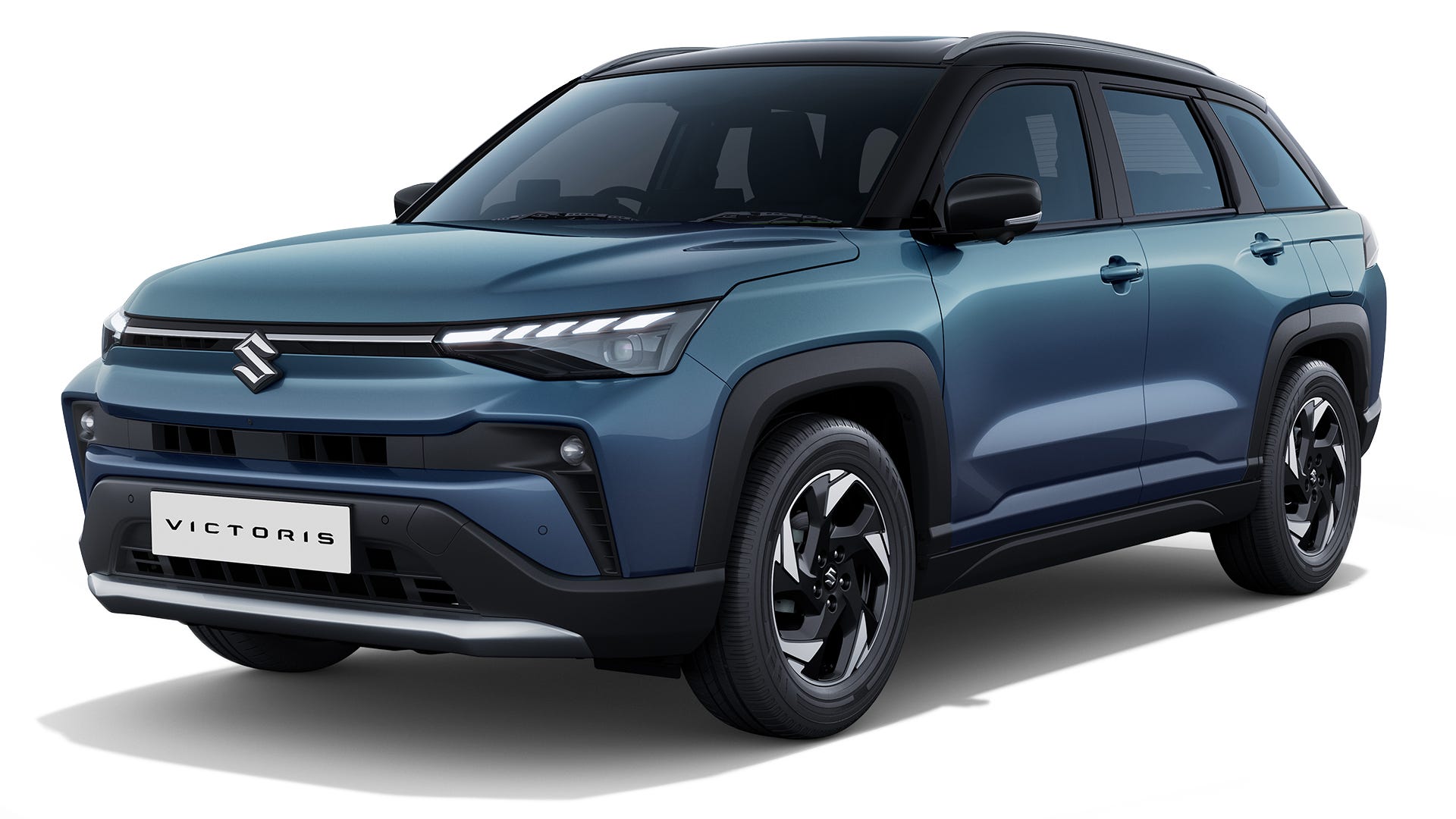
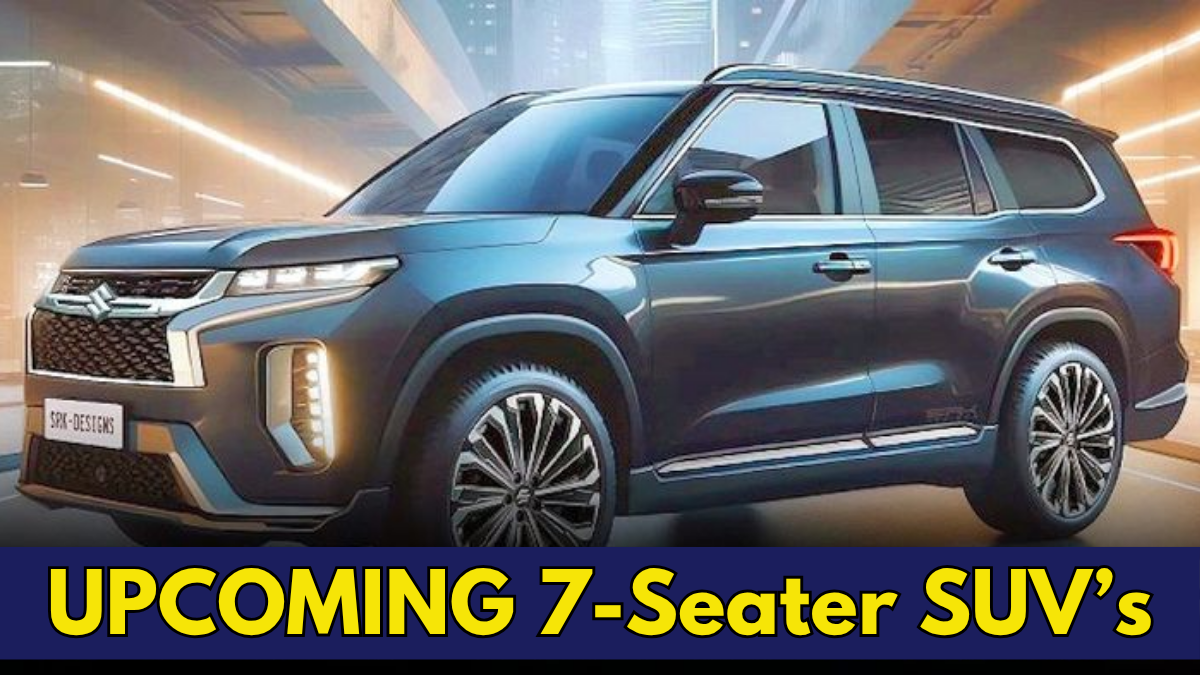
Maruti Suzuki surprised the market in 2025 by introducing the Victoris, a model positioned above its traditional compact SUV offerings. Sold through Arena outlets, the Victoris represented a strategic move by India’s largest carmaker to strengthen its presence in higher segments.
The Victoris was developed on a new architecture and featured a more refined interior, improved ride quality, and upgraded powertrain options. Priced from Rs 10.50 lakh ex showroom, it offered multiple engine choices, including petrol, CNG, and a plug in hybrid option.
For Maruti Suzuki, the Victoris was less about volume and more about perception. It signaled the brand’s willingness to evolve and cater to customers seeking a premium yet reliable vehicle backed by an extensive service network.
MG Cyberster: A Halo Electric Roadster

MG Motor India brought excitement and aspiration to the market with the launch of the Cyberster. Unlike mass market EVs, the Cyberster served as a halo product that showcased MG’s electric vehicle engineering and bold design direction.
The two door electric roadster featured a striking exterior, low slung proportions, and a performance focused setup. Priced from Rs 74.99 lakh ex showroom, the Cyberster targeted a niche audience rather than mainstream buyers.
Despite its limited volumes, the Cyberster played an important role for MG. It demonstrated the brand’s ability to produce high performance EVs and helped elevate its image beyond practical electric cars. In a market still exploring electric mobility, the Cyberster added diversity and excitement.
Hyundai Venue Facelift: Strengthening a Bestseller
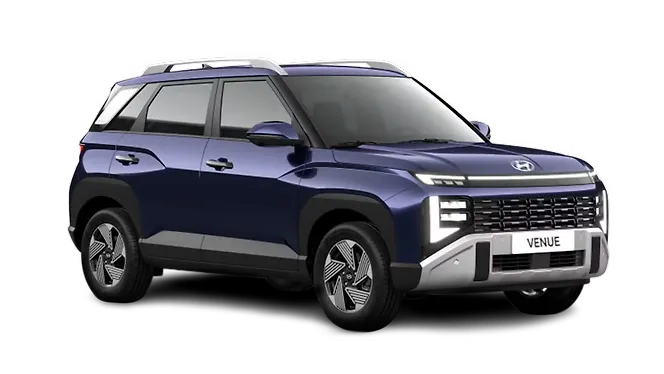
Hyundai refreshed the Venue in 2025, ensuring that one of its most successful compact SUVs remained competitive. The facelift introduced noticeable exterior revisions, giving the Venue a sharper and more contemporary appearance.
Hyundai also focused on enhancing the feature list. The updated Venue offered improved connected technology, additional safety features, better material quality, and subtle size enhancements. These updates aligned the vehicle with evolving consumer expectations in the compact SUV segment.
Launched at a starting price of Rs 7.90 lakh ex showroom, the refreshed Venue continued to offer strong value. Hyundai’s decision to invest heavily in updating an existing bestseller paid off by reinforcing its position in one of India’s most competitive segments.
Tata Sierra: Revival of an Iconic Nameplate
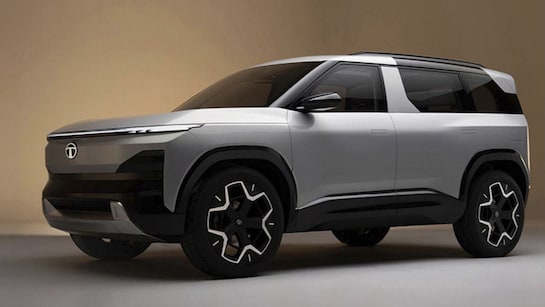
One of the most talked about launches of 2025 was the return of the Tata Sierra. Tata Motors revived the iconic nameplate with a production ready SUV that blended heritage inspired styling with modern engineering.
The new Sierra launched with internal combustion engine options and introduced a new turbo petrol engine. This powertrain not only expanded the Sierra’s appeal but also laid the groundwork for future applications in models such as the Harrier and Safari.
While the initial market response was measured, the Sierra’s importance lies in its long term potential. It represents Tata Motors’ strategy of leveraging emotional brand value while modernizing its product lineup.
Why These Five Launches Mattered
Each of these vehicles contributed to the market in a unique way. The Mahindra XEV9e pushed the boundaries of premium electric mobility. The Maruti Suzuki Victoris expanded the brand’s reach into higher segments. The MG Cyberster brought performance and aspiration to the EV space. The Hyundai Venue facelift strengthened an already successful formula. The Tata Sierra revived a legacy while setting the stage for future growth.
Together, these launches reflected the diversity and ambition of the Indian automotive industry in 2025.
Impact on Consumer Trends
The launches of 2025 highlighted several key trends. Electric vehicles continued to gain prominence, not just as practical options but also as premium and performance oriented products. Carmakers also showed renewed interest in reviving iconic nameplates, leveraging nostalgia while offering modern features.
Additionally, the focus on safety, connectivity, and refinement became more pronounced across segments. Buyers increasingly expected value beyond price, prompting manufacturers to raise their game.
What 2025 Means for the Road Ahead
The momentum created by these launches will influence strategies in the coming years. Carmakers are likely to introduce more differentiated products, explore new body styles, and accelerate their transition toward electrification.
The impact of these five cars will continue into 2026 and beyond, shaping both product planning and customer expectations.
Frequently Asked Questions
1. Which was the most impactful electric car launched in 2025
The Mahindra XEV9e stood out for its range, technology, and premium positioning.
2. Why was the MG Cyberster important despite being niche
It acted as a halo product, showcasing MG’s electric performance capabilities.
3. Did Maruti Suzuki move into a higher segment in 2025
Yes, the Victoris marked Maruti Suzuki’s effort to strengthen its presence beyond compact SUVs.
4. What changed in the Hyundai Venue facelift
The facelift brought design updates, better features, and improved safety while retaining competitive pricing.
5. Is the Tata Sierra fully electric
No, the 2025 Sierra launched with internal combustion engines, with future electrified versions expected.
For More Information Click HERE